Foods to avoid with braces: a practical eating guide
By Mia Clark · Updated June 2026 · 10 min read
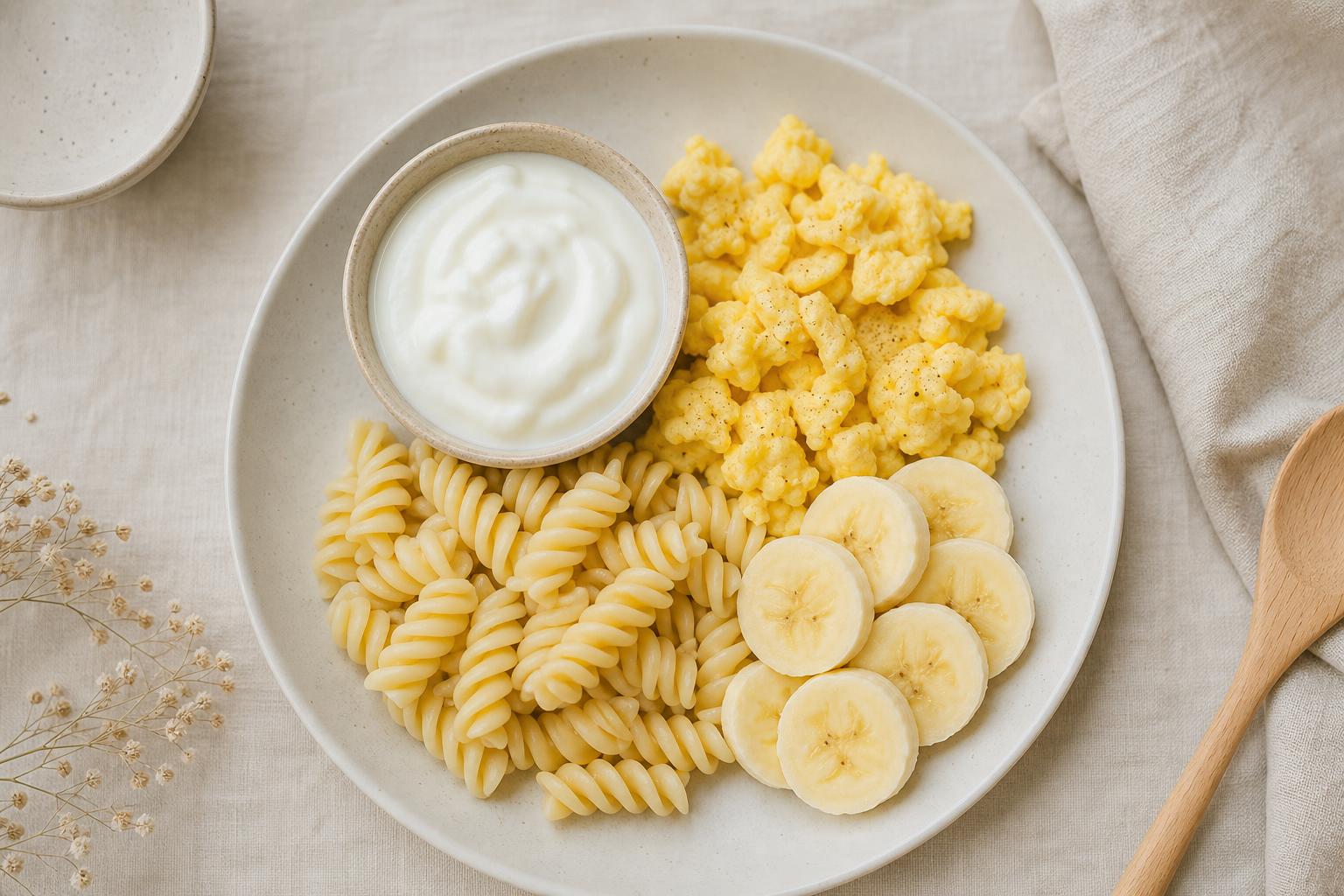
With braces, most of your usual diet is still on the menu. A short list of foods is best avoided because they break brackets, snap wires or get stuck in ways that are very hard to clean. Once you know the list, eating with braces becomes second nature. This guide covers the do not eat foods, sensible substitutes, what to eat in the first sore week and how to handle awkward situations like popcorn at the cinema or a wedding cake at a friend's wedding.
Why some foods are a problem
Braces are bonded to your teeth with adhesive that is strong enough for normal eating and weak enough to be safely removed at the end of treatment. Hard, sticky and chewy foods all challenge that bond in different ways:
- Hard foods can snap a bracket off or bend the wire.
- Sticky foods pull brackets away from teeth and trap sugar against enamel.
- Chewy foods wedge between brackets and wires and are very hard to clean out.
- Sugary and acidic foods sit longer on teeth wearing braces and increase decay risk.
The do not eat list
- Popcorn, including unpopped kernels and hulls.
- Hard nuts, including almonds, hazelnuts and peanuts in their natural form.
- Hard sweets, lollipops, boiled sweets and ice cubes.
- Chewy sweets, toffee, caramel, fudge and chewy granola bars.
- Chewing gum unless your orthodontist specifically allows it.
- Crunchy raw vegetables bitten whole, such as carrots and apples.
- Crusty bread, hard pizza crusts, bagels and baguettes bitten directly.
- Beef jerky, biltong, tough or dried meats.
- Corn on the cob bitten off the cob.
- Hard tacos and tortilla chips.
- Pretzels, hard crackers and rice cakes.
- Whole pickles and pickled vegetables bitten in half.
Foods to eat with care
These foods are fine if you prepare them carefully.
- Apples, pears and carrots: safe sliced into small pieces and chewed with back teeth.
- Bread: soft sandwich loaves and rolls are fine. Avoid hard crusts and toasted bread with very crunchy edges.
- Pizza: the centre is fine. Skip the harder crust edge.
- Steak and chicken: cut into small pieces and chew on the back teeth.
- Corn: cut off the cob.
- Berries: good, but rinse afterwards because seeds can lodge around brackets.
- Pasta: soft cooked is excellent. Al dente is fine after the first week.
- Burgers: small bites work. Skip large mouthfuls that bend the wire.
What to eat in the first sore week
Your teeth and gums are tender for about 3 to 7 days after fitting and adjustments. Plan softer meals for those days.
- Greek yoghurt with mashed banana and honey.
- Scrambled eggs and avocado.
- Smoothies and milkshakes, sipped not bitten through a straw.
- Mashed potato or sweet potato.
- Soft cooked pasta with mild sauce.
- Soup, including lentil, tomato, butternut squash and chicken noodle with soft noodles.
- Soft fish such as poached salmon or white fish.
- Hummus and soft pita bread without crust.
- Rice, risotto and porridge.
- Ice cream, frozen yoghurt and milk based desserts.
Drinks and braces
Water is the safest drink. Plain tea and coffee are fine, although they can stain elastic ligatures, which are replaced at each adjustment. Limit sugary and acidic drinks, including fizzy drinks, sports drinks, energy drinks and fruit juices. If you do have one, drink it in one sitting and rinse with water afterwards. Alcohol does not affect braces directly but high sugar mixers and citrus based cocktails do.
Sticky situations and how to handle them
- Cinema popcorn: order a soft alternative such as ice cream, frozen yoghurt or a small chocolate bar that melts rather than crunches.
- Wedding cake: usually fine because most are soft. Skip any hard sugar work, edible gold flakes or hard nut decorations.
- Birthday hard sweets at school: trade or pass on to a sibling.
- Holiday hard candy or chocolate with whole nuts: choose plain chocolate without inclusions.
- Crunchy salad bars: avoid raw whole carrots and croutons. Soft cheeses, cooked grains and roasted soft vegetables are great.
- Sports drinks during training: water plus a banana is kinder to braces and teeth.
How to eat hard or crunchy foods safely
For foods that are technically allowed but borderline:
- Cut into small pieces with a knife rather than biting.
- Chew on the back teeth, not the front.
- Take small mouthfuls and eat slowly.
- Rinse with water immediately afterwards to flush food from around brackets.
What to do if something gets stuck
- Rinse with water first. Many small pieces dislodge.
- Use an interdental brush or a water flosser to flush the area.
- For stubborn food, use floss with a threader or super floss as covered in our flossing guide.
- If a piece is wedged painfully and you cannot remove it, call your orthodontist. Do not poke at it with metal tools.
Hygiene matters more than the food list
The single biggest cause of decay during braces is not the occasional treat, it is plaque that sits on enamel for weeks. Brushing twice a day, flossing every night and rinsing after sticky or sugary food protects your teeth far more than a perfectly clean diet does. A good routine gives you some flexibility.
Bottom line
With braces, you can eat almost anything you used to enjoy if you swap a short list of high risk foods, cut hard foods small and keep your hygiene routine strong. The first week is the only period where the menu is genuinely limited. After that, treat the do not eat list as fixed, treat the eat with care list as a guideline and enjoy the rest of your meals normally. For more practical reading, see our eating hub.
Frequently asked
Get the free Aligner Starter Kit
A short, printable PDF with our daily cleaning routine, a brace friendly food list and the exact product checklist we use ourselves. Free, no spam, and unsubscribe with one click whenever you like.