Braces for adults: a calm, honest guide to your options
By Mia Clark · Updated June 2026 · 12 min read
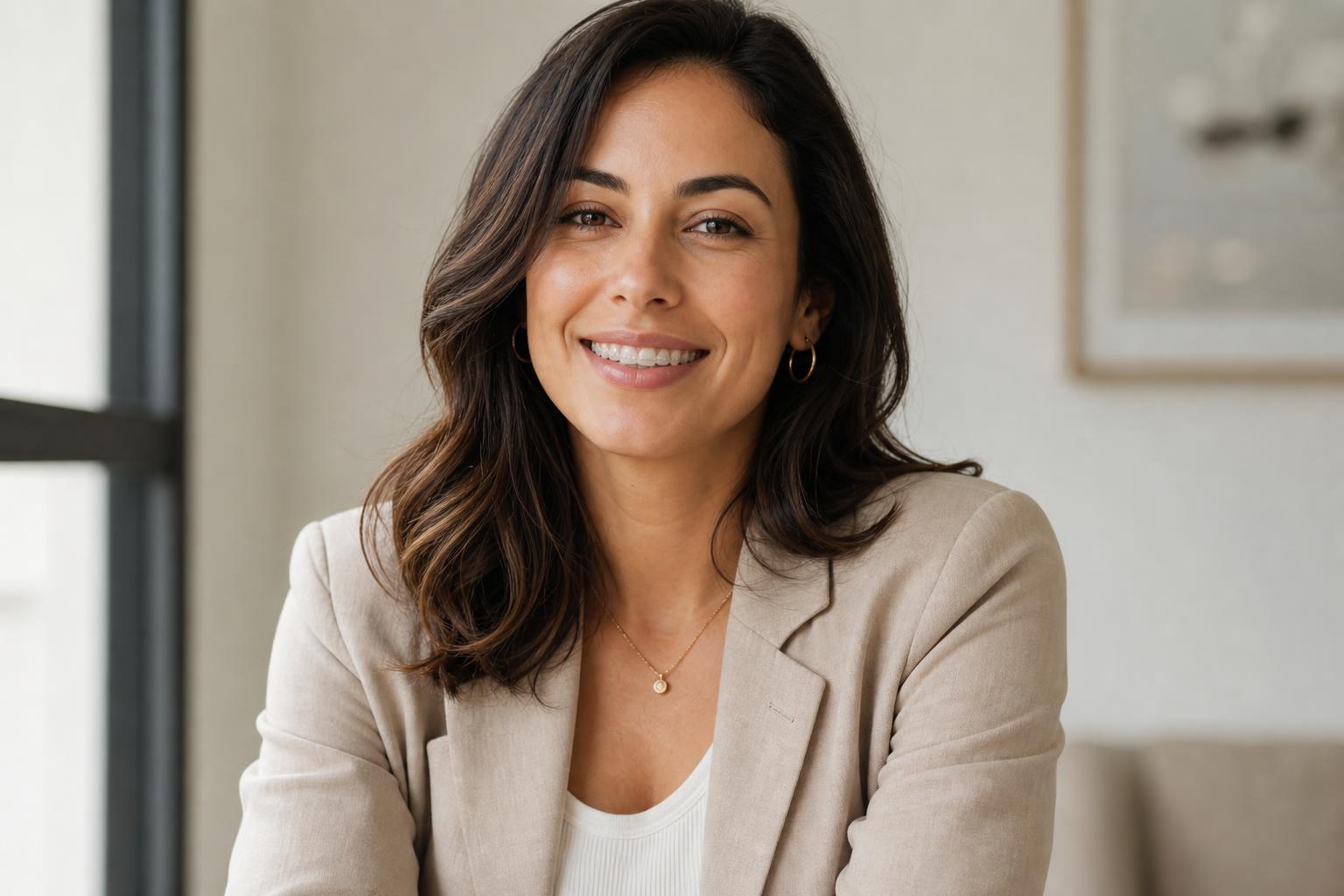
Roughly one in three orthodontic patients today is an adult, and the choices on offer have never been better. Clear aligners, tooth coloured ceramic brackets and behind the teeth lingual systems mean you can usually get straighter teeth without anyone noticing. This guide answers the questions adults actually ask, with worldwide pricing, realistic timelines and the honest trade offs that brochures rarely mention.
Why more adults are choosing treatment now
Three things changed in the last decade. Clear aligners moved from a niche product to a mainstream option a general dentist can supervise. Insurance and extras plans gradually added adult orthodontic benefits. And video calls turned everyone into close observers of their own smile. The result is an adult market driven less by clinical need and more by personal choice, which means you set the pace.
Your main treatment options
Clear aligners
Removable, transparent trays you wear 20 to 22 hours per day, swapped every 1 to 2 weeks. Best suited to mild and moderate crowding, spacing, mild bite issues and relapse after old treatment. Less suitable for severe bite problems, very rotated teeth or cases needing significant jaw correction.
Ceramic braces
Tooth coloured brackets bonded to the front of each tooth, joined by a thin metal or tooth coloured wire. Almost as discreet as aligners at normal conversation distance, slightly less so up close. Good for the full range of cases including complex bite correction.
Self ligating metal braces
Modern metal brackets with built in clips instead of elastic ties. Visible, but smaller and lower profile than the braces many adults remember from childhood. Often the most affordable option for complex cases and treatment tends to be slightly shorter than traditional braces.
Lingual braces
Fitted to the inside surface of the teeth, completely invisible from the front. The most expensive option, with a longer adaptation period for speech and tongue comfort. A specialist procedure offered by a small number of orthodontists.
Worldwide cost ranges in 2026
Prices vary by country, complexity and provider. The figures below are typical mid range fees for a full course of adult treatment including initial consultation, scans, all adjustments and a first set of retainers. Always get at least two quotes.
| Region | Clear aligners | Ceramic braces | Lingual braces |
|---|---|---|---|
| USA | 3,000 to 8,000 USD | 4,000 to 8,500 USD | 8,000 to 13,000 USD |
| UK | 2,500 to 5,500 GBP | 2,800 to 6,000 GBP | 6,000 to 10,000 GBP |
| EU | 2,800 to 6,000 EUR | 3,000 to 6,500 EUR | 6,500 to 11,000 EUR |
| Australia | 4,500 to 9,000 AUD | 5,500 to 9,500 AUD | 10,000 to 15,000 AUD |
| Canada | 3,500 to 8,000 CAD | 4,000 to 8,500 CAD | 9,000 to 14,000 CAD |
Read our deeper guides on Invisalign cost and braces cost for full regional breakdowns.
How long treatment really takes
- Minor cosmetic correction: 3 to 6 months with aligners or short course braces.
- Mild to moderate crowding or spacing: 9 to 15 months.
- Full bite correction: 18 to 24 months.
- Complex cases with extractions or jaw work: 24 to 36 months.
Add a small margin for adult bone biology. Teeth move through bone roughly the same way at every age, but the bone around adult teeth is denser, which can add 10 to 20 percent to treatment time compared with a teenage equivalent.
What changes when you start as an adult
- Gum health matters more. Active gum disease must be controlled before treatment.
- Existing dental work needs planning around. Crowns, bridges and implants all behave differently.
- Adults usually want predictable scheduling. Most clinics offer early, late or weekend appointments for working patients.
- Relapse from childhood treatment is common and often the reason for starting again. Be honest about previous retainers.
- Black triangles, small dark spaces between teeth after they straighten, are more common in adults and can be managed with bonding if needed.
How to choose the right option
- Lifestyle: if you cannot commit to wearing aligners 20 to 22 hours a day, fixed braces are safer.
- Job and visibility: presenters, performers and front of house staff often choose lingual or aligners.
- Budget: metal self ligating braces are still the most cost effective. Lingual is the most expensive.
- Case complexity: severe bite problems or large rotations are usually faster with fixed braces.
- Maintenance preference: aligners reward routine; fixed braces reward people who do not want to think about removing anything.
Questions to ask at the consultation
- What does my case look like on the scan, and which options would actually work?
- What is the realistic length of treatment for each option?
- What is included in the price and what costs extra (refinements, replacement aligners, retainers)?
- How many cases like mine have you completed?
- What does the retainer plan look like after treatment?
Bottom line
Adult orthodontics is no longer unusual or compromise driven. With realistic expectations, an honest consultation and the right option for your lifestyle, most adults finish in 12 to 24 months feeling glad they started. Take the time to compare quotes, understand the trade offs and choose a provider who answers your questions clearly. The result lasts for decades when paired with a sensible retainer routine.
Frequently asked
Get the free Aligner Starter Kit
A short, printable PDF with our daily cleaning routine, a brace friendly food list and the exact product checklist we use ourselves. Free, no spam, and unsubscribe with one click whenever you like.